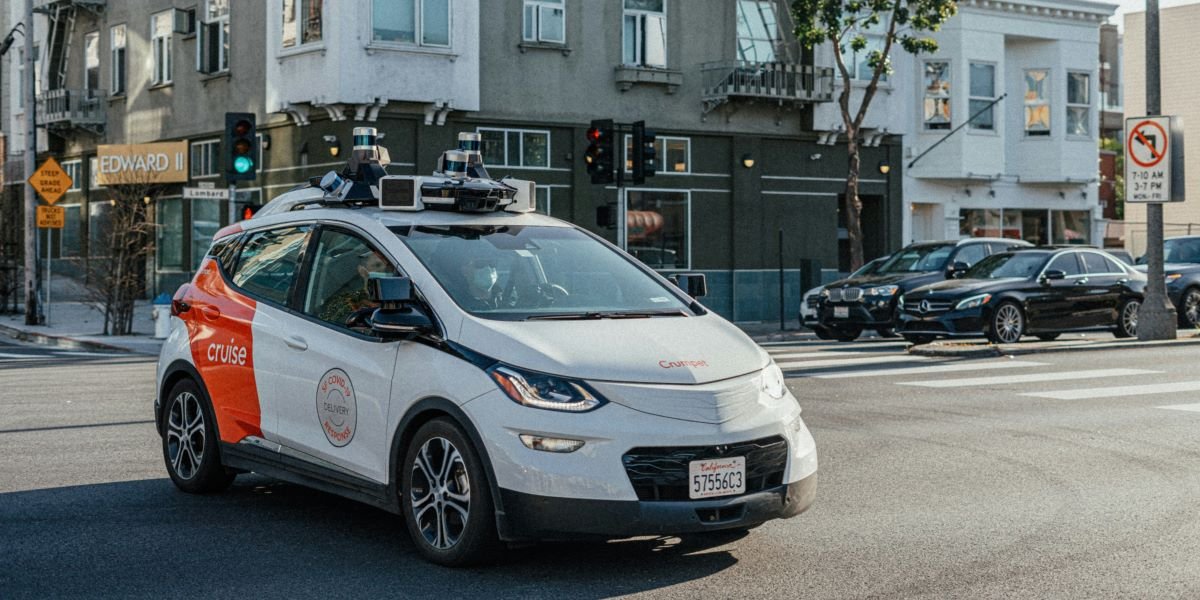

California police can now hold autonomous vehicle companies accountable for traffic violations, as new rules implementing Assembly Bill 1777 took effect July 1, 2026. Officers can issue “notices of noncompliance” to manufacturers such as Waymo when a driverless car commits a moving violation, closing a loophole that had left robotaxis effectively immune from citations because no human driver was behind the wheel.
Key Takeaways
- New California rules under Assembly Bill 1777 took effect July 1, 2026, letting police cite autonomous vehicle companies for moving violations.
- Officers issue a “notice of AV noncompliance” to the manufacturer, which must report each incident to the DMV within 72 hours, or 24 hours for a crash or injury.
- The DMV can impose operational limits or suspend permits for repeat or serious violations.
- Companies must respond to first responders within 30 seconds and clear emergency geofencing zones within two minutes.
- The rules follow San Francisco and Los Angeles incidents, including Waymo cars stalling during a December blackout.
What the New Rules Do
The California Department of Motor Vehicles adopted the regulations in late April 2026, implementing Assembly Bill 1777, which Governor Gavin Newsom signed in 2024. Before the change, California law allowed officers to cite only a human “driver,” which left law enforcement without a legal tool when a fully autonomous vehicle ran a red light, failed to yield to a pedestrian, or entered an active emergency scene.
Under the new framework, an officer can issue a notice of AV noncompliance directly to the autonomous vehicle manufacturer or fleet operator. The company must report the incident to the DMV within 72 hours, or within 24 hours if the violation involved a collision or injury. The notices are not traditional tickets with fines attached, a distinction that drew criticism from the Teamsters Union when the bill passed, but they create a formal record the DMV can act on.
That enforcement authority is significant. The DMV can impose targeted operational restrictions on a manufacturer, including limits on fleet size, service areas, speed, and operation in certain weather conditions, when necessary for public safety. Repeated or serious violations can escalate to permit restrictions, suspension, or revocation. DMV Director Steve Gordon said the updated regulations demonstrate the state’s commitment to public safety while keeping California at the forefront of autonomous vehicle development.
Faster First-Responder Requirements
The rules go beyond traffic citations to address how driverless cars interact with emergency crews. Autonomous vehicle companies must now respond to calls from police, firefighters, and other emergency officials within 30 seconds, and each vehicle must have a two-way voice communication link so responders can reach a remote human operator.
The regulations also give local emergency officials the power to issue electronic geofencing directives, ordering a manufacturer’s vehicles to leave or avoid a designated area within two minutes to make way for first responders. Vehicles already inside such a zone must exit, no additional vehicles may enter, and a manufacturer whose cars violate the restriction may face permit consequences.
Why California Acted
The push for enforcement followed a series of high-profile incidents. In September 2025, a San Bruno police officer stopped a Waymo vehicle after an illegal U-turn at a sobriety checkpoint but could not issue a citation because there was no driver. In December, during a power outage affecting roughly 130,000 Pacific Gas and Electric customers, a large share of the approximately 1,000 Waymo robotaxis operating in San Francisco stalled at intersections with darkened traffic signals, obstructing traffic and impeding emergency vehicles. The San Francisco Board of Supervisors had previously documented more than 70 cases of autonomous vehicles interfering with emergency response.
Waymo, a subsidiary of Alphabet, operates one of the largest fleets affected, with roughly 1,000 vehicles in the San Francisco Bay Area and a substantial Los Angeles presence. In 2024, Waymo received 589 parking tickets in San Francisco and paid $65,065 in city fines, but until now there was no legal basis to cite the company for moving violations. The company has emphasized the importance of protecting confidential business information in its earlier comments on the DMV’s proposals.
What It Means for California’s AV Industry
The rules arrive as autonomous vehicle operations expand across the state, and they signal a shift from a largely permissive environment toward structured accountability. Supporters argue clear rules build the public trust that the industry needs to scale, while the added compliance requirements may slow some rollouts and raise costs. The framework leans on remote human operators, some based in the United States and some abroad, including in the Philippines, who can step in when a vehicle encounters an unusual situation.
The package also opens new ground. It removes California’s prohibition on operating autonomous vehicles weighing more than 10,000 pounds, clearing a path for driverless freight trucks that must still stop at California Highway Patrol weigh stations, and it allows medium-duty autonomous transit vehicles to be operated by public entities and universities.
California’s new enforcement rules give police and emergency officials a tool they have lacked for years, marking the end of a period in which driverless cars answered to no citation on the state’s public roads.
Frequently Asked Questions
What is a notice of AV noncompliance? It is a formal notice an officer issues to an autonomous vehicle manufacturer when one of its cars commits a moving violation, replacing the traditional ticket that could only go to a human driver.
When did the new rules take effect? The rules implementing Assembly Bill 1777 took effect July 1, 2026, after the California DMV adopted them in late April 2026.
How quickly must companies report violations? Manufacturers must report each notice to the DMV within 72 hours, or within 24 hours if the incident involved a collision or injury.
Can the DMV shut down a fleet? Yes. The DMV can impose operational limits and, for repeat or serious violations, restrict, suspend, or revoke a manufacturer’s permit.
Do the rules address emergencies? Companies must respond to first responders within 30 seconds, and local officials can order vehicles to clear an emergency zone within two minutes.
Which companies are most affected? Waymo operates one of the largest California fleets, with roughly 1,000 vehicles in the San Francisco Bay Area and a significant Los Angeles presence.