
Governor Gavin Newsom is advancing a legislative package in the final three weeks of the California legislative session that would reduce how much the state’s investor-owned utilities must pay out after wildfires, creating a state-administered “fast pay” program for survivors while potentially eliminating insurance companies’ ability to recover wildfire costs from the utilities that caused the fires. The proposal, which as of August 12 consists of a policy outline without drafted legislative language, has drawn opposition from Los Angeles fire survivors, the insurance industry, the California Association of Counties, and plaintiff attorneys, while receiving support from the utilities’ own lobbying campaign and several business groups. The package arrives just nine days after Cal Fire and the Los Angeles County Fire Department officially determined that Southern California Edison’s equipment caused the January 2025 Eaton Fire, which killed 19 people and destroyed nearly 9,500 structures in Altadena.
Key Takeaways
- Newsom’s proposal would create a “fast pay” program to accelerate wildfire fund payouts for survivors whose loved ones were killed, who were injured, or whose properties were destroyed; participants would likely need to waive their right to sue the responsible utility.
- For victims “in harm’s way” who did not lose property or suffer physical injury, the outline suggests capping damages at $150,000.
- The package would limit or eliminate insurance companies’ subrogation rights, the legal process through which insurers recover wildfire claim costs from the utility that caused the fire.
- The $21 billion state wildfire fund, created in 2019, is expected to be drained by Eaton Fire costs, which UCLA estimated at between $24 billion and $45 billion.
- PG&E, Southern California Edison, and San Diego Gas & Electric collectively spent $5.2 million on California political campaigns over the past four years and reported nearly $7 million in lobbying expenditures in the first half of 2026.
- The legislative session ends in approximately three weeks; no bill language has been published, and Senate leadership has signaled caution about the timeline.
What the Package Would Do
The governor’s office released an outline of the proposal on Tuesday, August 12, following weeks of private briefings with lawmakers. The package addresses wildfire liability from multiple angles, each designed to reduce the total financial exposure that California’s three major investor-owned utilities, Pacific Gas & Electric, Southern California Edison, and San Diego Gas & Electric, face after fires caused by their equipment.
The centerpiece is the “fast pay” program. Under this mechanism, the state would administer accelerated payouts from the existing wildfire fund to survivors in the most severe categories: those whose family members were killed, those who were physically injured, and those whose homes or businesses were destroyed. The tradeoff is that claimants who accept fast-pay compensation would likely need to waive their right to pursue litigation against the utility. The program is designed to address a real problem: wildfire litigation in California routinely takes years, and survivors of the 2017 and 2018 Northern California fires waited three to five years for settlements that, in many cases, were reduced by attorney contingency fees of 30% to 40%.
For other individuals classified as “in harm’s way,” a category that could include residents who were evacuated but did not lose property or those who experienced smoke exposure, the outline proposes a damages cap of $150,000. Assemblymember Cottie Petrie-Norris, the Irvine Democrat who chairs the Assembly Utilities Committee and generally supports the package, told CalMatters that the intent is not to limit emotional distress claims for people who directly experienced a disaster but to restrict claims from people who did not.
The proposal also targets attorney fees, seeks to reduce the amounts local governments can recover for rebuilding burned public infrastructure, and aims to block hedge funds and other investors from purchasing insurance claims and profiting from the wildfire fund. The governor’s office has not explained the mechanisms for accomplishing the investor restrictions.
The Subrogation Fight Could Raise Insurance Premiums Statewide
The component of the package with the broadest potential impact on California homeowners is the proposed elimination or limitation of insurance subrogation. Under current law, when an insurance company pays a homeowner’s wildfire claim, the insurer has the legal right to recover that cost from the entity found responsible for the fire, typically the utility. This process, called subrogation, is a standard feature of insurance law and gives insurers a financial backstop that is factored into how they price policies.
Newsom’s package would curtail or eliminate that right. The utilities have pushed for this change for years, arguing that subrogation claims from large insurance companies are a primary driver of the costs that ultimately flow through to ratepayers. The insurance industry has pushed back with equal force. Rex Frazier, president of the Personal Insurance Federation of California, told CalMatters that eliminating subrogation would shift utility costs onto homeowners through higher premiums, affecting policyholders even in urban areas with minimal fire risk.
Denni Ritter, vice president of the American Property Casualty Insurance Association, warned that the change could undermine the fragile progress California made in 2025, when new regulations allowing insurers to use catastrophe modeling and reinsurance costs in premium calculations began drawing some companies back into the state market. The number of policies in the California FAIR Plan, the state’s insurer of last resort, has been growing at a slower rate since those reforms took effect. Ritter said removing subrogation could reverse that trend by making California a less viable market for private insurers.
Edison Was Just Found Responsible for the Eaton Fire
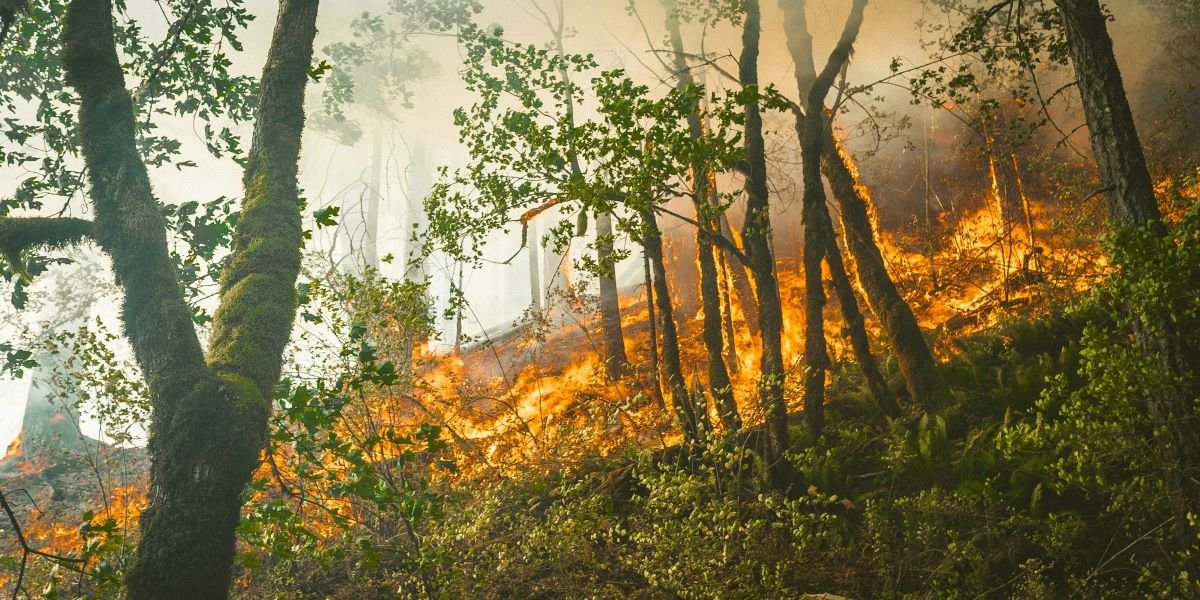
The timing of the proposal is inseparable from the Eaton Fire investigation. On August 3, Cal Fire and the Los Angeles County Fire Department released their joint investigation report determining that Southern California Edison’s equipment, specifically electricity arcing from a century-old, out-of-service transmission tower in Eaton Canyon, caused the January 2025 fire during an intense windstorm. The fire killed 19 people, destroyed approximately 9,500 homes and other buildings, and displaced tens of thousands of residents from Altadena and surrounding communities.
UCLA estimated the total economic losses from the Eaton Fire at between $24 billion and $45 billion. The state wildfire fund, created in 2019 with $21 billion in capitalization, is expected to be fully drained once the combined weight of insurance claims, Edison’s voluntary settlements with survivors, and the hundreds of pending lawsuits are resolved. Lawmakers extended the fund last year to cover future fires by adding to the customer surcharge that helps capitalize it, a charge that will now continue through 2045.
The determination of Edison’s responsibility arrived less than two weeks before Newsom released his liability package, a sequence that fire survivors and their advocates have pointed to as evidence that the proposal is designed to protect the utility from the full financial consequences of the fire it caused. Joy Chen, who leads a group of Los Angeles wildfire survivors, said she was “stunned” during a briefing by the governor’s office when she was told that only people who evacuated and had their homes burn down would be eligible for non-economic damages.
The Utilities’ Political and Financial Position
California’s three major investor-owned utilities are not in immediate financial distress. All three reported rising profits in 2025. But the wildfire liability model that California operates under, which holds utilities strictly liable for fire damage caused by their equipment regardless of negligence, creates a long-tail financial risk that the companies argue threatens their ability to borrow at reasonable rates and invest in grid modernization.
The utilities have invested heavily in the political process to advance their position. PG&E, Edison, and SDG&E collectively spent $5.2 million on California political campaigns, sponsored lawmaker travel, and made donations to officials’ preferred charities over the past four election cycles, according to CalMatters’ Digital Democracy database. In the first half of 2026 alone, the three companies reported nearly $7 million in lobbying expenditures directed at Newsom’s administration, the Legislature, and the California Public Utilities Commission. PG&E held the highest lobbying spending of any entity in the state from April through June.
The utilities have also launched a public campaign called “Wildfire Victims First,” which has run statewide advertisements urging Californians to contact their legislators in support of liability reform. Nathan Click, the campaign’s spokesperson, also serves as a political spokesperson for Newsom. PG&E CEO Patti Poppe and Edison CEO Steven Powell have separately stated that they will take unspecified action to protect shareholders if the Legislature does not pass liability reduction legislation during this session.
The Opposition Is Broad and Vocal
The range of opposition to the package is notable for its breadth. Fire survivors, the insurance industry, county governments, and plaintiff attorneys rarely align on policy, but all four groups have objected to different elements of the proposal.
Graham Knaus, chief executive of the California Association of Counties, framed the issue in direct terms, saying “the utilities are finding a lot of creative ways to avoid responsibility” and that the Legislature “should not be opening the door for them to escape accountability.” Counties are concerned about the proposal’s reduction of the amounts local governments can recover for rebuilding public infrastructure, including roads, water systems, and government buildings, destroyed in utility-caused fires.
The insurance industry has run its own counter-campaign, calling the proposal a “utility bailout.” Frazier questioned why homeowners’ insurance customers in dense urban environments should pay higher premiums to cover costs that should properly fall on the companies whose equipment caused the fires.
Fire survivor advocates have focused on the process as much as the substance. The package was developed through private briefings with lawmakers, and the outline released Tuesday contains no proposed legislative language, making it difficult for the public or affected communities to evaluate what the final legislation would actually require. Chen summarized the frustration: “You cannot be ‘there are some bad actors’ and therefore we will have a secret bill. Then your bill is the bad actor.”
The Political Context for Newsom
The wildfire liability push is one of Newsom’s final major policy fights as governor, with the legislative session ending in approximately three weeks. It is also, by his own account, connected to a longer political timeline. When asked at a press conference whether the proposal serves fire survivors, Newsom said the effort would “unfold over the course of the next few months,” a timeframe his office later clarified as referring to the remaining legislative session rather than post-session activity. The governor’s office did not say whether Newsom plans to call a special session to address the issue if the regular session ends without legislation.
Newsom is widely reported to be considering a presidential campaign. The wildfire liability package sits at the intersection of two narratives he would need to manage in a national race: California’s reputation for high costs and policy dysfunction, which his opponents on the right would amplify if utility rates continue climbing or if another bankruptcy materializes, and the state’s record on disaster response and accountability to victims, which survivors would be quick to challenge if they believe the governor sided with the companies over the communities those companies harmed.
In the Assembly, Petrie-Norris has signaled general support. In the Senate, Utilities Committee Chair Ben Allen, a Democrat who is simultaneously running for insurance commissioner, has been more measured, saying he does not want to shift costs from utilities to insurance consumers unless the package includes offsetting benefits for the public. That Senate caution, combined with the absence of bill text and the compressed timeline, makes passage within the current session uncertain.
FAQs
What is Newsom’s wildfire liability package?
The package is a set of proposed legislative changes that would reduce how much California’s investor-owned utilities must pay out after wildfires. It includes a “fast pay” program for survivors who waive their right to sue, a potential $150,000 cap on damages for certain victims, limits on attorney fees, restrictions on hedge fund claims purchasing, and the possible elimination of insurance companies’ subrogation rights against utilities.
How would the “fast pay” program work?
The state would administer accelerated payouts from the existing wildfire fund to survivors whose loved ones were killed, who were physically injured, or whose properties were destroyed. To receive fast-pay compensation, claimants would likely need to waive their right to pursue separate litigation against the utility responsible for the fire.
Could this raise home insurance premiums?
The insurance industry says yes. If the proposal eliminates or limits insurers’ ability to recover wildfire claim costs from utilities through subrogation, insurers say they will need to absorb those costs and pass them on to policyholders through higher premiums, including homeowners in urban areas with low fire risk.
When would this legislation need to pass?
The California legislative session ends in approximately three weeks. As of August 12, no bill language has been published, and Senate leadership has not committed to the governor’s timeline. Newsom’s office has not confirmed whether a special session would be called if the regular session ends without a vote.