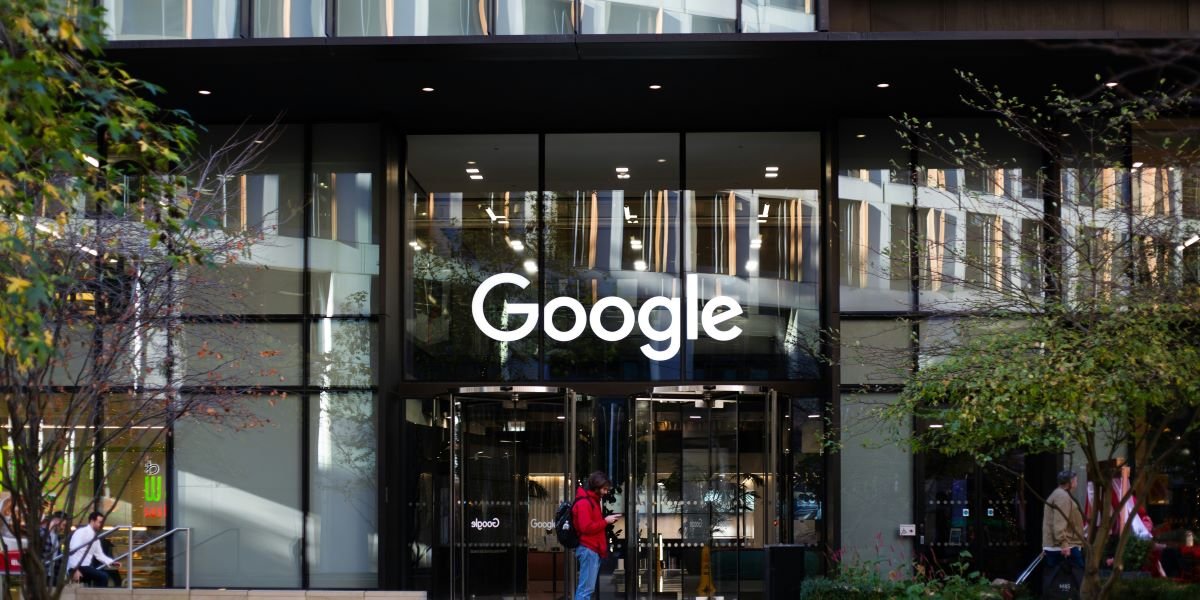

Mountain View hosted Silicon Valley’s signature event of the spring this week. Google’s annual developer conference, Google I/O 2026, kicked off Tuesday, May 19 at the Shoreline Amphitheatre and ran through Wednesday, May 20, drawing developers, partners, and press to Alphabet’s home turf for two days of keynotes, demos, and codelabs. The headline takeaway was clear: Google wants 2026 to be remembered as the year AI stopped assisting and started acting.
The Agent-First Pivot
In the opening keynote, CEO Sundar Pichai framed the conference as a turning point. Google, he said, has moved into what he called its “agentic Gemini era,” and the company spent much of its stage time backing that claim with new product reveals.
According to the official Google Developers Blog recap, the company has “transitioned from AI that simply assists you, to agents that can independently navigate complex tasks across your entire workflow.” It is a meaningful shift from prior I/O cycles, which emphasized AI features layered on top of existing Google products. This year, the pitch is that AI is the operating layer itself.
That framing landed alongside two of the conference’s largest announcements: the Gemini 3.5 series of models and a substantial upgrade to Antigravity, Google’s agent-first development platform.
Gemini 3.5 Flash, Omni, and Pro
The headline model unveiled at I/O is Gemini 3.5 Flash, which Google says delivers frontier-level capability at less than half the price of comparable competitor models. In his keynote, Pichai claimed Flash now runs 12x faster than other frontier models — a sharper number than the 4x figure cited earlier in the day, per coverage from Tom’s Guide and HotHardware.
Pichai also disclosed scale figures meant to underline how aggressively Google is using its own tools internally. The company is now processing more than three trillion tokens per day across its AI developer tools, up from half a trillion in March — a roughly six-fold jump in two months. Per analysis from Latent Space, Google says its broader Gemini stack processes more than 3.2 quadrillion tokens per month, with the Gemini app reaching more than 900 million monthly users across 230 countries.
Gemini 3.5 Flash is available across Google products and APIs starting Tuesday. Gemini 3.5 Pro, which Pichai said is showing strong improvements internally, is scheduled to follow next month.
Google also unveiled Gemini Omni, a multimodal generation model that begins with video and is positioned as the company’s answer to OpenAI’s Sora and other AI video systems. Per Cybernews, DeepMind engineer Varun Mohan demonstrated Antigravity and Gemini 3.5 Flash together building a functioning operating system from scratch in 12 hours during the keynote.
Antigravity 2.0 and the Developer Stack
The Antigravity platform got the conference’s most extensive product overhaul. Google folded its developer tooling into a single platform that now spans four surfaces — Antigravity 2.0 as a desktop app, the new Antigravity CLI, an SDK, and an API — all sharing a common agent system.
The desktop app’s Editor view will feel familiar to anyone used to a modern integrated development environment, with an agent sidebar running alongside the code. The Manager view, by contrast, functions as a control center where developers can orchestrate multiple agents working in parallel across workspaces, per HotHardware’s reporting.
Additional reveals on the developer side included Managed Agents in the Gemini API, a stable Android CLI, Android Bench, an Android migration agent, WebMCP (a proposed open web standard), Modern Web Guidance, and a Chrome DevTools surface aimed specifically at autonomous agents, per coverage from PPC Land.
A new Antigravity AI Ultra tier reportedly priced at $100 per month offers 5x usage limits on Antigravity workloads, per 9to5Google.
Gemini Spark and Smart Glasses
The consumer-facing announcements pulled Google further into the agents-as-assistants conversation. Gemini Spark, a personal agent that runs on virtual machines in Google Cloud and operates 24/7, is coming to the Gemini app powered by Gemini 3.5, per Tom’s Guide. Spark is designed to handle digital tasks autonomously rather than waiting on user prompts.
Google also returned to its Intelligent Eyewear program, offering further updates on the smart glasses initiative it has teased for the past two years. The hardware demos suggested a more deployable form factor than previous AR prototypes — though Google stopped short of giving dates.
What It Means for California’s Tech Sector
For Mountain View and the wider Bay Area, I/O remains the year’s most visible reminder that Silicon Valley still sets the agenda for how the global tech industry talks about AI. The shift toward agentic AI — already named as a defining trend at Dell Tech World 2026 — found its loudest articulation on a California stage, in front of a California developer base, against a backdrop of California venture capital that continues to fund the bulk of frontier AI work.
I/O’s developer programming continues with over 85 sessions, codelabs, and on-demand materials going live May 21 at io.google. For California’s tech sector, the keynote sets the tone for how 2026 will be talked about — and built.