
By: Audrey Denise B. Cachuela
Debt has a way of blending into everyday life. Someone can look completely functional from the outside while privately avoiding bank apps, screening phone calls, and replaying the same financial worries in their head every night. For many people, that quiet pressure becomes part of the daily routine, which is part of what makes the emotional weight of debt so difficult to recognize from the outside.
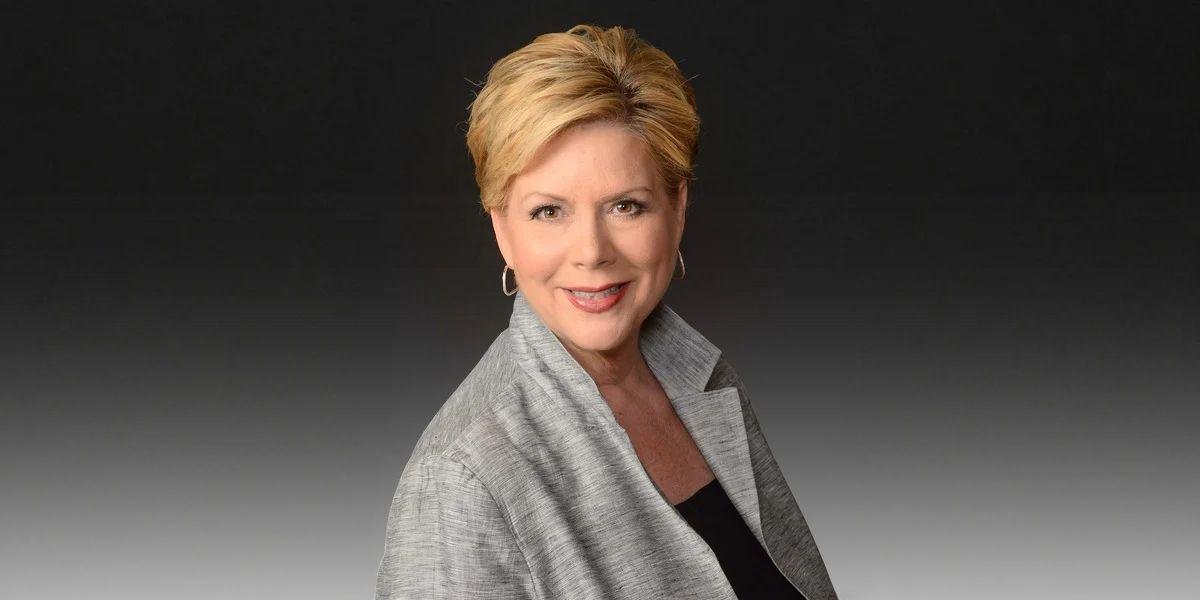
Amber Duncan knows those conversations well because she lived through the emotional weight of debt herself before building Life After Debt. She filed for bankruptcy during the 2008 financial collapse, then rebuilt financially and later moved into consumer debt advocacy work. Today, her company centers much of its process around what they call Clarity Calls, short conversations designed to let people explain their financial situation openly without pressure or judgment.
What shows up repeatedly in those calls, according to Duncan, is shame. Not always panic about money itself. Shame about hiding things. Shame about waiting too long. Shame about feeling like everyone else somehow figured adulthood out better than they did.
Debt Rarely Stays Financial
Most people do not suddenly wake up and decide to ignore debt. It usually happens slowly. A credit card debt balance grows larger than expected. Bills start getting opened later. Someone tells themselves they will deal with everything after the next paycheck, then the next one after that.
Life After Debt’s materials repeatedly mention avoidance because Duncan sees it often in clients before they ask for help. Some people stop checking balances entirely because seeing the number creates immediate stress. Others keep making minimum payments while privately realizing they are barely making progress. Duncan has argued in interviews that many consumers were taught to protect credit scores at all costs without understanding how debt systems actually work long-term.
The emotional side of that pattern tends to stay hidden longer than the financial side. Someone may still be showing up at work, answering texts, taking care of kids, and handling daily responsibilities while carrying constant financial anxiety underneath it all. Duncan says clients often come into conversations already expecting criticism because they assume debt reflects personal failure.
That assumption comes up repeatedly throughout her interviews and company materials. Debt is described less as a math problem and more as something that changes how people relate to themselves and the people around them. Amber says this is often why debt feels emotionally isolating for so many people long before anyone else knows what they are carrying.
The Silence Around Debt Is More Common Than People Think
The Federal Reserve Bank of New York reported that U.S. household debt reached $18.8 trillion during the fourth quarter of 2025, with credit card balances rising to $1.28 trillion. (Source: Federal Reserve Bank of New York Household Debt and Credit Report, 2025)
Those numbers are large, but most debt still stays private. People discuss mortgages more comfortably than credit card balances. They will talk about home prices, rent increases, or inflation long before admitting they are overwhelmed personally.
Duncan has spoken openly about filing for bankruptcy because she believes secrecy makes financial stress harder to deal with. One story she repeats often involves a bankruptcy attorney telling her, “I’ll see you again,” after her filing in 2008. She has described that moment as the reason she later built a business around consumer advocacy rather than shame-based financial advice.
The broader point behind that story stays consistent throughout her interviews. People tend to isolate themselves financially long before anyone else isolates them. Amber believes that is a major part of why people avoid talking about debt, even when the stress is already affecting nearly every area of their lives.
Why People Hide Debt
Fear of judgment is part of it, although Duncan says many clients are equally afraid of disappointing the people closest to them. Hidden debt often stays hidden because someone believes they can quietly fix the problem before anyone notices. That rarely works for long.
According to Bankrate’s Financial Infidelity Survey released in January 2025, 40% of U.S. adults in committed relationships admitted to financial infidelity involving their current partner. The same survey found that 45% believed financial secrets were just as damaging as physical cheating. (Source: Bankrate Financial Infidelity Survey, 2025)
Life After Debt discusses financial infidelity directly in its published materials because Duncan says the issue appears constantly during client conversations. The secrecy is not always dramatic. Sometimes it is hidden credit cards, personal loans, or spending that quietly escalates over time. Duncan says some clients become emotional before they even explain the numbers because they are more afraid of what the debt represents than the debt itself.
Money habits learned early also play a role. Many people grew up in households where finances were treated as stressful or private. Conversations about interest rates, collections, or debt negotiation simply never happened. Duncan has repeatedly argued that consumers are often undereducated about their rights and financial options until they are already overwhelmed.
What Happens When Nobody Talks About the Emotional Weight of Debt
According to the National Endowment for Financial Education, 43% of adults who combined finances with a partner admitted to some form of financial deception. The same survey reported that 85% of those respondents said the deception affected the relationship in some way. (Source: National Endowment for Financial Education Financial Infidelity Survey, 2021)
Those numbers line up with the situations Duncan describes publicly. One client she referenced in an interview admitted to hiding debt from her husband for an extended period before finally discussing it during a Clarity Call. According to Duncan, the secrecy itself had become exhausting by that point.
That idea appears repeatedly throughout Life After Debt’s messaging. Silence allows money stress to grow privately while people continue trying to appear stable publicly. Amber says much of her work today centers around helping people understand how debt affects relationships, particularly when secrecy and fear become part of everyday communication.
The company’s approach is fairly simple in theory. According to Life After Debt, Clarity Calls are structured to let clients speak openly first before discussing possible solutions. Duncan has described the process as reversing the traditional financial sales conversation because people are encouraged to explain what is happening honestly instead of defending themselves.
Her position on debt stays consistent throughout all of it. Financial problems should be addressed directly, but debt itself should not be treated as evidence that someone is broken or irresponsible. Duncan believes many people spend years carrying financial stress in silence because they assume asking for help means admitting failure. Through Clarity Calls, her goal is not simply to discuss balances or payment options, but to create a space where people can finally talk openly about what has been weighing on them without shame, defensiveness, or fear of judgment. For many clients, confronting the emotional weight of debt begins with having one honest conversation about it for the first time.