
By: Victoria Talbot
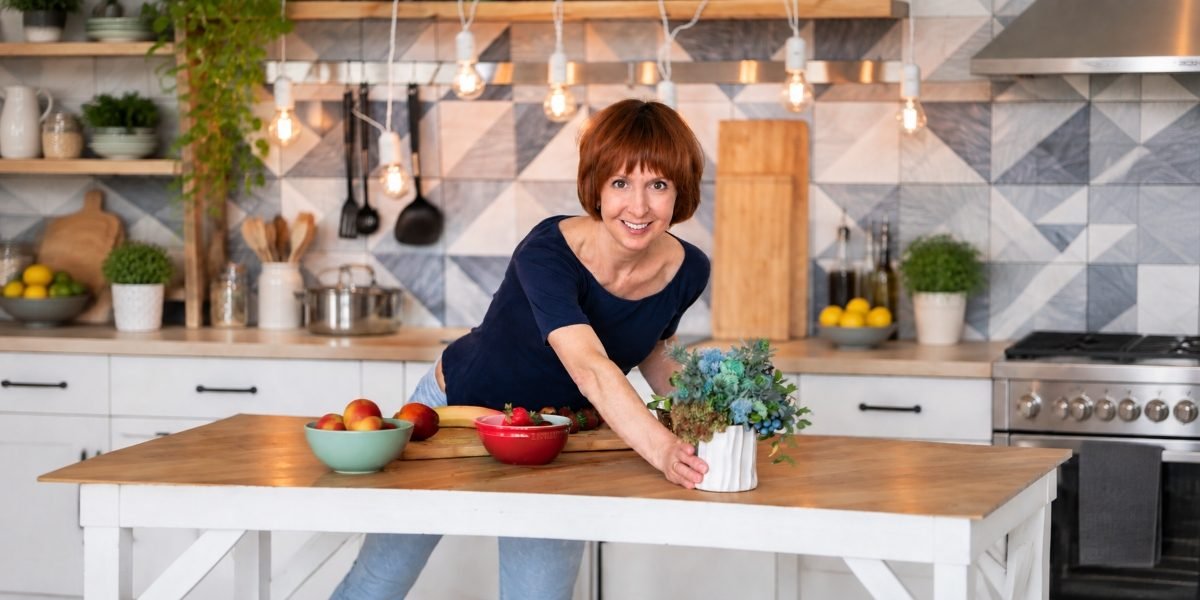
The Moscow journalist, producer and publicist who turned a personal struggle with food intolerance into a passion for creating gluten-free food people actually want to eat.
In 2015, Valentina Churaeva was living a life that had little to do with the kitchen. A successful journalist, producer and publicist in Moscow, she had built her career around media, storytelling and production.
Then, following the birth of her younger daughter, her own health became a mystery she couldn’t solve.
Her skin suddenly became severely inflamed, red, flaky, and painful. She saw doctors and cosmetologists and pursued different treatments, but nothing provided a lasting answer.
The breakthrough came unexpectedly from New York. A journalist friend suggested that Churaeva try eliminating gluten, relaying advice from her friend’s sister, a U.S.-trained physician.
She tried it and noticed a significant improvement.
That discovery changed the course of her life.
Churaeva began researching international medical publications and the experiences of people living with food intolerance. She also began documenting her own experience online. What started as a personal search for answers gradually became a resource for other people facing similar challenges.
There was one problem: the list of foods she could eat was becoming smaller.
Gluten was only the beginning. At various points, her diet also excluded dairy, eggs, nuts, tomatoes, garlic, and fruit.
For someone raised around Russian and European culinary traditions, giving up familiar foods was not easy.
So Churaeva decided to learn how to make them herself.
Bread. Pasta. Dumplings. Desserts. Traditional Russian dishes.
She began experimenting in her kitchen, determined not simply to make food that was gluten-free, but to make food that was genuinely good.
That distinction became the foundation of her work.
A Personal Challenge Becomes a Career
At the time, adult gluten intolerance was still poorly understood in Russia. Churaeva found herself researching a subject that many people around her knew little about.
Her response was typical of someone with a journalist’s instincts: she investigated.
She studied international information, followed developments in the field, and shared what she was learning through her blog and social media. She posted recipes, discussed products, hosted live broadcasts and helped others navigate the practical realities of a gluten-free lifestyle.
Her work eventually attracted the attention of the founder of one of Russia’s early major companies producing gluten-free flours and baking mixes.
That introduction developed into a long-term professional collaboration.
Churaeva tested products and developed recipes with real home kitchens in mind. She understood that an ingredient could look promising on a package but still fail when someone tried to turn it into a loaf of bread or a traditional dish at home.
Her work eventually expanded into public education. She participated in television and radio programs and contributed to articles about celiac disease, gluten intolerance, and the challenges of living with dietary restrictions.
Something that had begun as a personal struggle had become an area of professional expertise.
The Bread That Started With a Problem
One of Churaeva’s favorite examples of what can be accomplished with gluten-free baking is her sandwich bread.
The recipe combines rice flour with potato and arrowroot starch, along with eggs, milk, butter, and yeast. The result is a soft loaf designed for the foods people actually want to eat every day, sandwiches and toast.
There is an important detail in the recipe: the dough does not resemble traditional wheat bread dough. It is soft, sticky, and closer to a thick batter.
That is intentional.
Rather than adding more flour or trying to knead it like conventional bread, the dough is beaten, transferred to a loaf pan, and allowed to rise until it doubles in volume.
For Churaeva, these details matter. Gluten-free baking requires a different approach, and understanding how the ingredients behave is part of what she has learned through years of experimentation.
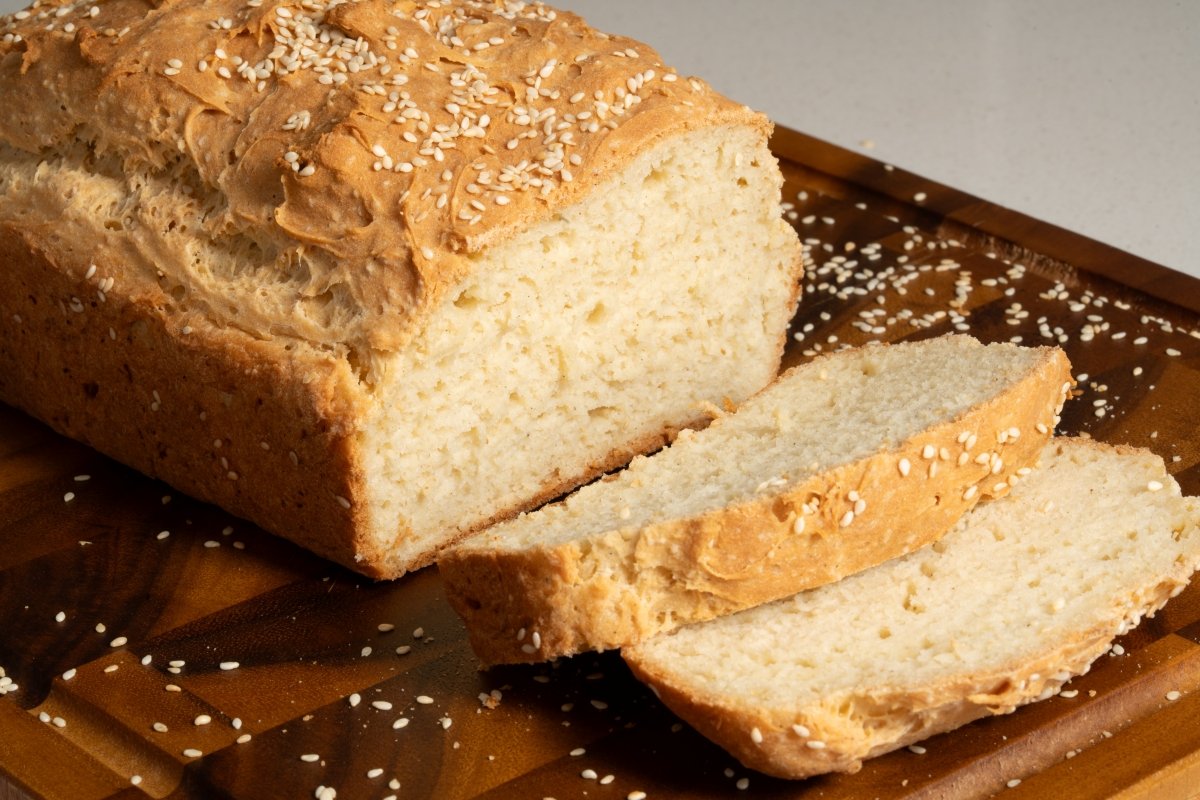
Valentina Churaeva’s Gluten-Free Sandwich Bread
Makes: 1 loaf
Pan: 9 x 5-inch loaf pan
Ingredients
- 1½ cups rice flour
- ⅓ cup potato starch
- ¼ cup arrowroot starch
- ¼ cup nonfat dry milk powder
- ⅓ cup granulated sugar
- 1 tablespoon xanthan gum
- 1 tablespoon instant yeast
- 1¼ teaspoons salt
- 2 large eggs
- 1 large egg white
- 1 cup whole milk, warmed to 100–110°F
- 2 tablespoons unsalted butter, melted and slightly cooled
- 1 teaspoon apple cider vinegar
- Sesame seeds, for topping
Method
Lightly grease a 9 x 5-inch loaf pan.
In a large bowl, whisk together the rice flour, potato starch, arrowroot starch, dry milk powder, sugar, xanthan gum, yeast, and salt.
In the bowl of a stand mixer fitted with a paddle attachment, combine the eggs, egg whites, warm milk, melted butter, and apple cider vinegar. Mix on low speed until combined.
Gradually add the dry ingredients. Scrape down the sides and bottom of the bowl, then increase the mixer to medium speed and beat for four minutes.
The dough will be very soft and sticky, more like a thick batter than traditional bread dough. Do not add extra flour or knead it by hand.
Spoon the dough into the prepared pan and smooth the top with a wet spatula or damp spoon. Sprinkle with sesame seeds.
Mark the starting level of the dough on the outside of the pan. Place it in a warm, draft-free location and allow it to rise until it has doubled in volume, approximately 45 to 90 minutes depending on room temperature.
Do not allow the dough to rise beyond double its original volume. Over-proofing can cause the loaf to collapse, while under-proofing can result in a dense loaf.
Toward the end of the rising time, preheat the oven to 350°F.
Bake for 35 to 45 minutes, until the loaf is well risen and golden brown. If the top begins browning too quickly, loosely cover it with aluminum foil for the remainder of the baking time.
Remove the bread from the pan immediately and place it on a wire rack. Allow it to cool completely before slicing.
Valentina’s tip: Gluten-free bread continues to set as it cools. Slicing it while warm can result in a gummy or overly moist center.
Perfect for sandwiches, toast, or simply enjoying a warm slice with butter.
More From Valentina’s Kitchen
The bread is only one example of Churaeva’s range. Her recipes move comfortably from traditional Russian cooking to modern desserts, always with the same goal of making gluten-free food appealing rather than restrictive.
Emerald Cookies
These striking green cookies get their color naturally from fresh spinach and their richness from almond and coconut flour. Coconut oil, monk fruit sweetener, and an egg create a soft dough that is rolled first in granulated monk fruit sweetener and then generously coated in powdered monk fruit before baking.
The result is a cookie that looks far more elaborate than it actually is.
Bake at 350°F for 10–15 minutes.
Recipe and photography by Valentina Churaeva.
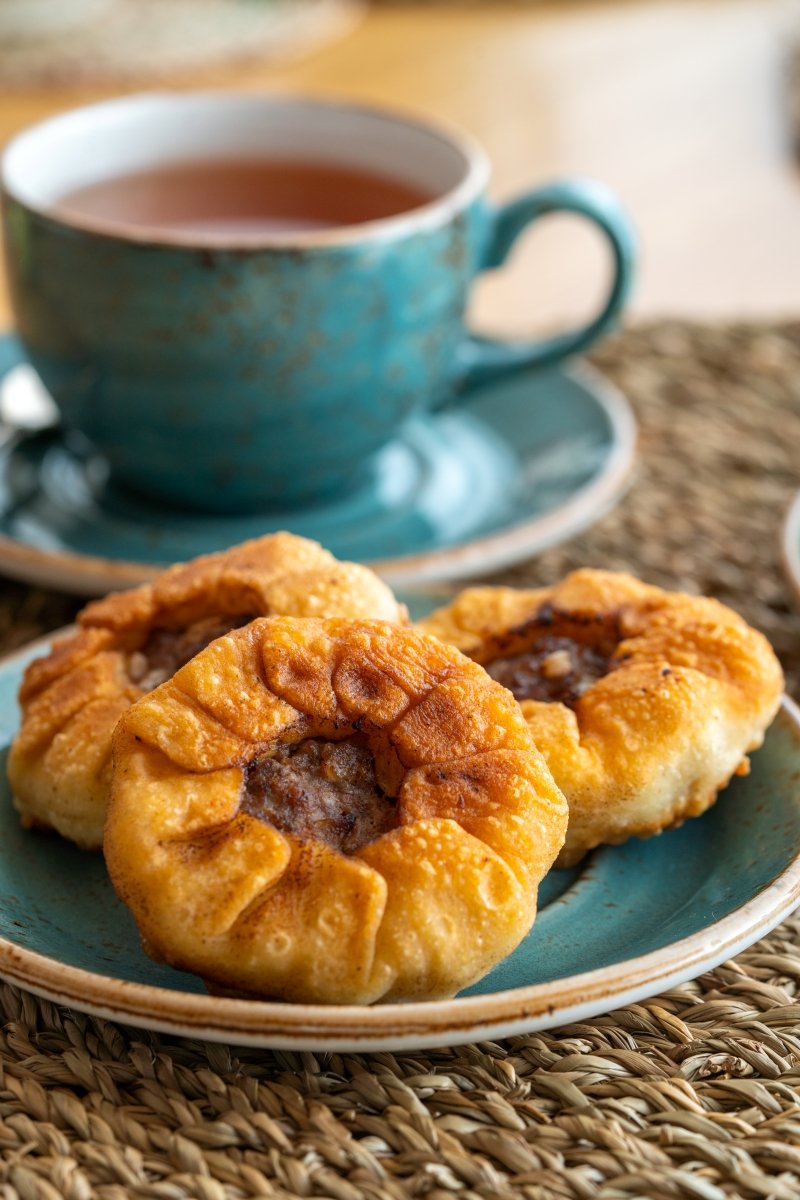
Gluten-Free Russian Meat Pies, Belyashi
Belyashi are a classic Russian-style fried meat pie, traditionally made with a soft dough surrounding a savory beef and onion filling.
Churaeva’s gluten-free version uses an all-purpose gluten-free flour blend, eggs and a small amount of oil. The dough is rolled thin, filled with seasoned ground beef and onion, pleated around the filling, and fried until golden.
The pies are intentionally kept relatively flat, allowing the meat to cook evenly while the exterior becomes crisp.
For anyone familiar with Russian food, this recipe is a particularly delicious example of Churaeva’s approach: preserve the character of a beloved traditional dish while adapting it for a gluten-free kitchen.
No-Bake Strawberry Cashew Cheesecake
Her no-bake strawberry cashew cheesecake takes a completely different direction.
The crust is made from Medjool dates, raw almonds, and maple syrup. The creamy filling combines soaked cashews, coconut oil, full-fat coconut milk, and maple syrup, topped with fresh strawberries.
After several hours in the freezer, the result is a small, elegant dessert that requires no oven.
It is another example of Churaeva’s instinct for creating food that is as attractive as it is approachable.
The Producer Behind the Plate
Churaeva’s culinary work cannot be separated from her earlier career.
Before she was developing gluten-free recipes, she was working in the demanding world of Moscow media as a journalist, producer and publicist. She understood how to develop an idea, build a story, work with people and create something that would capture an audience’s attention.
Those skills are visible throughout her cookbook.
Churaeva has personally designed many of the recipe photographs featured in the book, bringing her producer’s eye to the styling and presentation of the food.
For her, the photograph is part of the recipe.
The food has to taste good, but it also has to look inviting.
That combination of culinary experimentation and visual storytelling gives her work a distinctive identity.
A Russian Perspective for an American Audience
Churaeva is now looking toward the next chapter of her professional life in the United States, bringing with her an unusual combination of experience.
She has a substantial background in media and communications. She has worked as a journalist, producer, and publicist. She has developed recipes, collaborated with a gluten-free food company, participated in educational initiatives, and communicated with an audience through television, radio, social media, and print.
And she has something else that can’t be learned from a recipe book: years of firsthand experience figuring out how to make restricted diets work in everyday life.
Her Russian and European culinary background adds another dimension. Traditional foods are often deeply connected to family and culture, and Churaeva understands the importance of keeping those connections alive while adapting recipes to different dietary needs.
That perspective could translate naturally to American television, digital media, food brands, culinary demonstrations, cookbook publishing, and recipe development.
The Next Chapter
What began as a frustrating search for answers ultimately gave Churaeva a new professional direction.
She didn’t plan to become a gluten-free culinary expert. She became one because she needed to solve a problem, and then discovered that thousands of other people needed those solutions too.
Her journey from Moscow media professional to recipe developer and food educator is a story about curiosity and persistence, but also about creativity.
She took foods she could no longer eat and figured out how to make them again.
She took information that was difficult to find and shared it.
She took a personal challenge and built something useful from it.
And now she has a cookbook filled not only with recipes, but with the experience behind them.
For Churaeva, gluten-free cooking isn’t about taking pleasure away from food.
It is about finding another way to put that pleasure back on the plate.
That may be the most important thing Valentina Churaeva brings to the table.
- Website: valentinachuraeva.com
- YouTube: Valentina Gluten Free Recipes
- Instagram: @valentina_churaeva
- TikTok: @new_homeland